
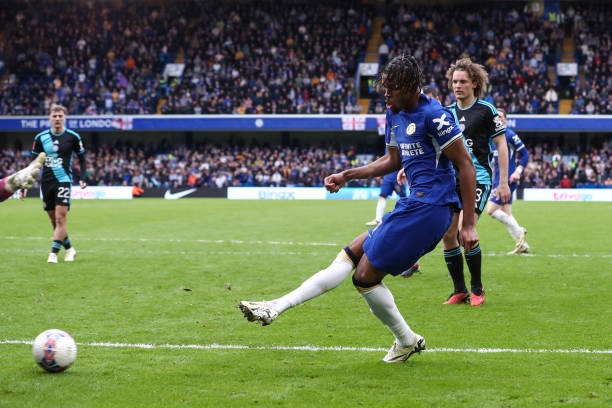
In the modern era of elite football, the traditional concept of the “90-minute player” is undergoing a quiet but significant transformation. Once defined by endurance, consistency, and the ability to influence every phase of a match, full-game performers are becoming increasingly rare. The emergence and usage of young talents like Carney Chukwuemeka offer a compelling case study into how the game is evolving.
A Shift in Player Management
Football today is faster, more physically demanding, and tactically complex than ever before. As a result, managers are placing greater emphasis on squad rotation, controlled minutes, and situational impact rather than relying on players to complete the full 90 minutes every match.
Chukwuemeka’s development reflects this modern approach. Rather than being tasked with sustaining performance over an entire game, he is often introduced at key moments—when his technical ability, energy, and creativity can have maximum influence. This is not a limitation of the player, but rather a strategic deployment aligned with contemporary football thinking.
The Rise of the Impact Substitute
The role of the substitute has evolved dramatically. No longer viewed as secondary contributors, substitutes are now integral tactical weapons. Coaches increasingly design game plans that include impactful changes in the second half, targeting fatigued opponents or shifting tactical dynamics.
Players like Chukwuemeka thrive in such roles. His ability to carry the ball, operate in tight spaces, and inject urgency into attacking phases makes him particularly effective against tiring defenses. In this context, playing fewer minutes can actually enhance a player’s influence rather than diminish it.
Data-Driven Decision Making
Another major factor behind the decline of the traditional 90-minute player is the growing reliance on sports science and performance analytics. Clubs now monitor player workloads with precision, tracking metrics such as distance covered, sprint intensity, and recovery rates.
This data-driven approach often leads to carefully managed playing time, especially for younger players. In Chukwuemeka’s case, controlled exposure helps reduce injury risk while allowing him to gradually adapt to the physical demands of top-level football.
Tactical Specialization Over General Endurance
Modern football increasingly values specialized roles over all-encompassing presence. Rather than expecting one player to influence every aspect of the game, teams now rely on a collective structure where individuals execute specific tasks within defined periods.
For attacking midfielders like Chukwuemeka, this often means being deployed when creativity and forward momentum are most needed. The expectation is not to dominate all phases, but to decisively impact key moments.
Is the 90-Minute Player Truly Disappearing?
While the trend is clear, it would be premature to declare the complete disappearance of the 90-minute player. Certain positions—such as central defenders and goalkeepers—still demand continuity and full-match involvement. Additionally, elite players with exceptional fitness and tactical intelligence continue to feature regularly across entire matches.
However, the broader shift suggests that flexibility, efficiency, and role-specific impact are becoming more valuable than sheer duration on the pitch.
Conclusion
Carney Chukwuemeka’s usage is less a sign of individual limitation and more a reflection of football’s ongoing evolution. The modern game prioritizes intelligent resource management, tactical adaptability, and maximized impact over traditional expectations of playing time.
As strategies continue to evolve, the definition of influence in football is being rewritten. The 90-minute player may not vanish entirely, but its dominance is clearly giving way to a more nuanced and dynamic approach—one where timing, precision, and tactical context matter more than ever.