
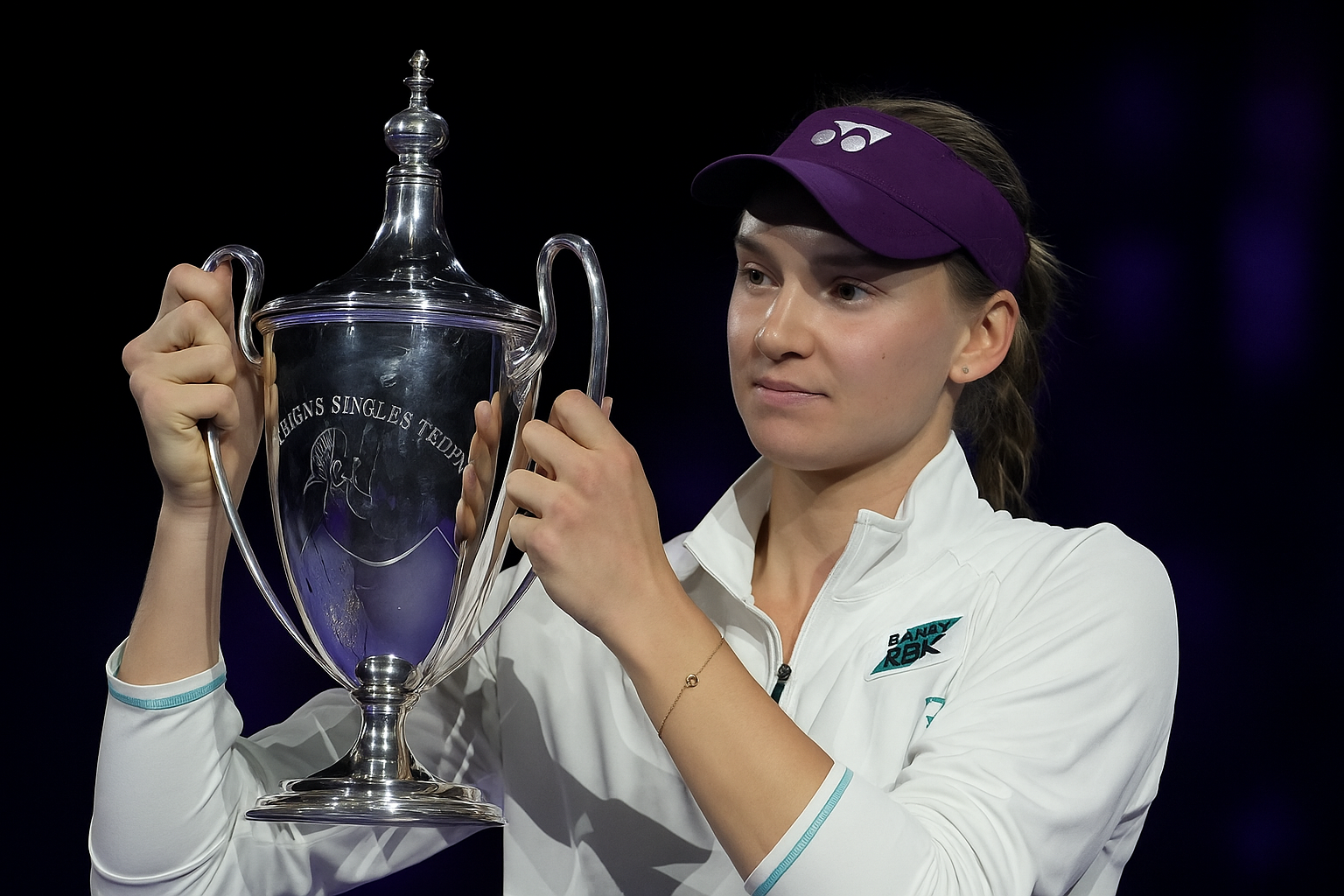
Tennis star Elena Rybakina made headlines this week after choosing not to pose for an official photo with WTA President Steve Archer, a decision that has reignited discussion about growing tensions between players and the tour’s leadership.
The incident occurred during the season-ending WTA Finals, where the Kazakh player, ranked among the world’s elite, opted to step aside during a group photo session involving senior WTA officials and top competitors. While the moment appeared subtle, it did not go unnoticed — particularly given recent frustrations voiced by several players over organizational and scheduling issues at the tournament.
Context Behind the Decision
Rybakina’s choice comes amid ongoing criticism from players about the WTA’s event planning and player welfare standards. Poor court conditions, last-minute venue changes, and logistical concerns at major tournaments have reportedly left some athletes dissatisfied with the tour’s handling of key events.
Though Rybakina did not issue an official statement after declining the photo, her past comments suggest a level of discontent. Earlier this season, she openly expressed frustration with WTA scheduling decisions, calling for greater professionalism and transparency from organizers.
Player Frustrations Continue
The WTA Finals have long been a showcase for the sport’s best, yet this year’s edition has been overshadowed by behind-the-scenes issues. Several top players, including Aryna Sabalenka and Iga Świątek, have previously raised similar concerns, urging the WTA to prioritize player input in major decisions.
Observers believe Rybakina’s gesture was not confrontational but symbolic — a quiet yet powerful way of underlining players’ growing demand for change.
WTA Response and Reactions
While the WTA has not directly commented on the photo incident, sources close to the organization have emphasized its commitment to improving communication and operational standards for future events. The situation, however, has sparked widespread debate among fans and media about the balance of power between players and governing bodies.
Sports analysts note that Rybakina’s actions reflect a broader sentiment across women’s tennis — one where top athletes are increasingly using their visibility to call for reform and better treatment.
Looking Ahead
As the WTA prepares for the 2026 season, the governing body faces mounting pressure to rebuild trust with its players and strengthen the professionalism of its events. Rybakina’s quiet act of defiance may serve as a reminder that respect and dialogue between players and administrators remain essential to the sport’s growth.
For now, the Kazakh star continues to focus on her performances on court, letting her tennis do most of the talking — while her recent gesture ensures her voice is still being heard.