
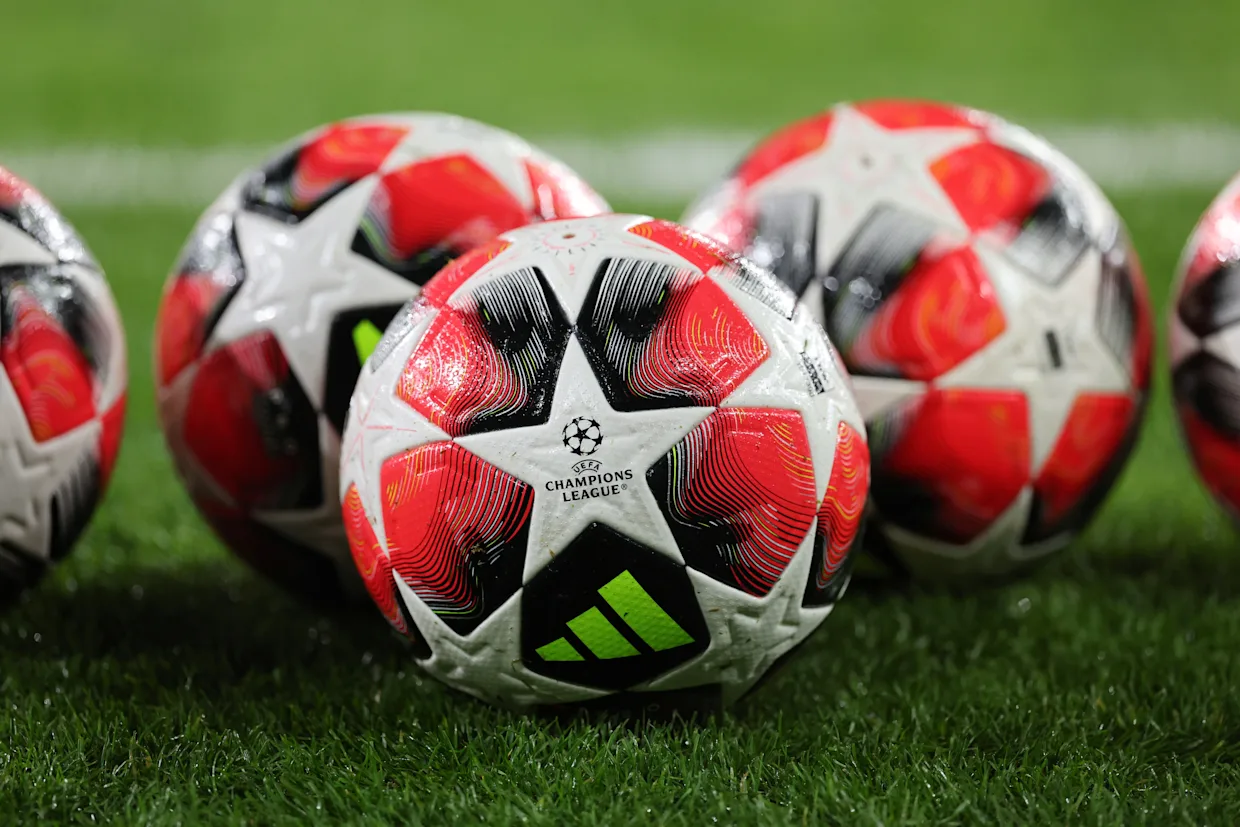
The UEFA Champions League stands today as the crown jewel of European club football — a tournament that unites the best teams across the continent in a thrilling pursuit of glory. But behind the spectacle lies a fascinating history shaped by ambition, rivalry, and the evolution of the beautiful game.
The origins of the competition trace back to the mid-1950s, when European football was undergoing rapid growth. Inspired by international club friendlies and the desire to determine the best team in Europe, French journalist Gabriel Hanot, along with L’Équipe newspaper, proposed a continental championship. The idea took shape in 1955 when the European Cup was launched, with 16 teams competing in a straightforward knockout format. Real Madrid dominated the early years, winning the first five editions and setting the tone for continental excellence.
As football’s popularity surged, so did the competition. In 1992, UEFA rebranded the European Cup into what we now know as the UEFA Champions League. The new format introduced a group stage, allowing more matches, television exposure, and financial growth. This change turned the tournament into a global phenomenon, attracting millions of viewers each season.
Today, the Champions League represents more than just football — it symbolizes ambition, unity, and excellence. Clubs from every corner of Europe dream of hearing the iconic anthem echo through the stadium, knowing that the world is watching. Legendary players like Cristiano Ronaldo, Lionel Messi, and Zinedine Zidane have etched their names into its rich history, while underdog stories continue to inspire fans year after year.
From its humble beginnings to its modern-day prestige, the Champions League has become a cultural and sporting institution, reminding the world why football truly is the global game.